You want a gas range that actually cooks the way you expect, a gas dryer, an outdoor kitchen you stop feeding with propane tanks, or a standby generator before hurricane season. All of that starts with one piece of work that has to be right: the gas line. Undersized, unpermitted, or untested gas work is not a cosmetic problem. It can starve appliances, void insurance, and create a safety hazard.
If you smell gas right now, stop reading this page. Leave the area, do not operate switches or electronics, and call for emergency help from a safe distance. See our guide on what to do if you smell gas in your Miami home. Installation planning comes later, once the scene is safe.
For planned work, call Miami Plumber Co at +13057036568. We connect you with a local gas plumber in Miami-Dade who handles gas line work regularly and can assess the project, handle permits, and install the line to code.
Planned gas line installation for new lines, new appliances, extensions, and upgrades — scheduled in advance, permitted, and inspected.
Gas line installation is planned work: new lines, new appliances, extensions, and upgrades. It is scheduled in advance, permitted, and inspected. Gas leak repair is emergency work: you smell gas, a line is damaged, or a detector is alarming. That calls for immediate action, not a quote appointment. Never try to repair a gas line yourself. Knowing which one you need saves time and keeps everyone safe.
A properly installed gas line is safe for decades. The danger comes from shortcuts: unpermitted work, wrong materials, skipped pressure tests, or DIY attempts. Every installation matched through this service should include pressure testing and inspection sign off, because there is no acceptable shortcut with gas. Ask the pro what testing and inspection the job includes before work starts, and get the scope in writing.
If you ever smell rotten eggs or sulfur in your home, treat it as an emergency. Our step by step guide on what to do if you smell gas in your Miami home walks you through exactly what to do and what not to do.
Most Miami homes run on electricity, but natural gas service (through TECO Peoples Gas in much of Miami-Dade) reaches many neighborhoods, and propane or natural gas powers countless appliances. You need professional gas line installation when you are:
Switching to a gas range or cooktop: Gas cooking is a top reason homeowners add a gas line. The line must be sized for the appliance’s BTU demand and run safely from the meter or tank.
Adding a gas dryer: Faster drying and lower operating costs make gas dryers popular. Installation means a new branch line with a proper shutoff valve.
Installing a gas water heater: Tank and tankless gas water heaters need a dedicated, correctly sized gas supply. Undersized lines cause poor performance and safety issues. A tankless water heater in particular needs a gas feed sized for its high demand, so sizing is not a detail to guess at.
Setting up an outdoor kitchen or grill: A permanent gas stub for a built in grill or outdoor kitchen beats swapping propane tanks forever.
Adding a pool or spa heater: Gas pool heaters heat water fast, but they are among the highest BTU residential appliances and need a substantial gas line.
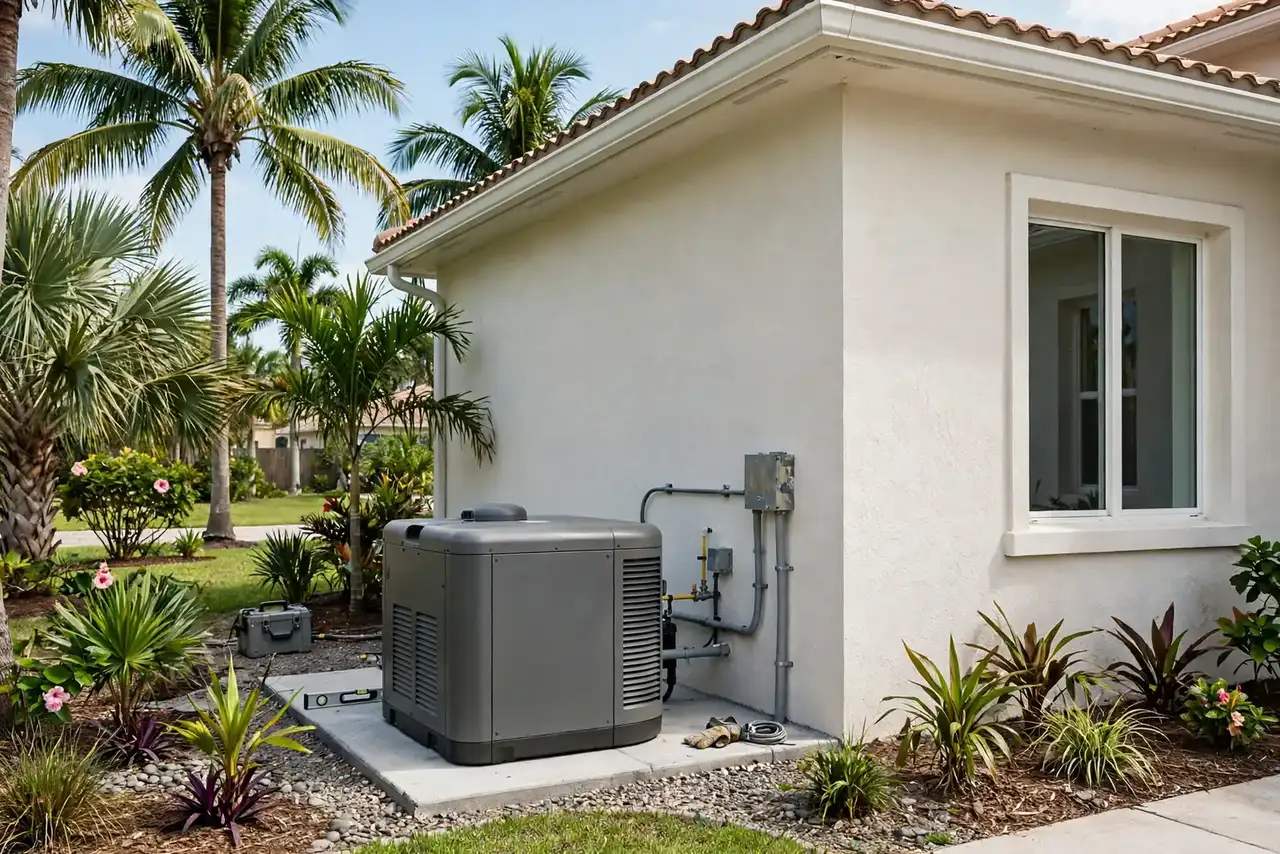
Installing a standby generator: Whole home generators need a reliable gas feed sized for full load operation. This is not a DIY project under any circumstances.
Building new or remodeling: New construction and major remodels are the ideal time to run gas lines, since walls and floors are already open.
If you already have gas service and something smells wrong, that is not an installation question. Read our guide on what to do if you smell gas in your Miami home, and for an active leak call for emergency gas leak repair immediately.
Gas work follows a strict sequence. Here is what to expect when a pro matched through Miami Plumber Co takes on your installation:
Gas line installation pricing depends on the length of the run, the pipe material, how many appliances are connected, trenching or wall work required, and permit fees. Because every home’s layout is different, honest pricing starts with an on site assessment. What you can count on asking for:
Costs vary widely by project size, so be cautious of anyone quoting a firm price over the phone without seeing the job. If budget matters, ask the pro to phase the work: run the main line now, add appliance stubs later.
Gas service availability varies by neighborhood. TECO Peoples Gas and Florida City Gas both serve parts of Miami-Dade County, while many newer or outlying areas rely on propane tanks or have no gas service at all. Check which company serves your address before booking. Not sure whether your street has gas service? When you call, tell us your neighborhood and we can help you figure out the options: connecting to the utility, installing a propane tank, or sticking with electric alternatives. The right answer depends on your home, your appliances, and what is actually available at your address.
Common local considerations:
Older homes: Many pre 1980s Miami homes with gas service have aging steel lines that may need replacement rather than extension. A pro can assess what is reusable.
HOA communities: Condos and HOA neighborhoods often restrict exterior gas work or tank placement. Check your association’s rules before planning.
Flood zones: In Miami-Dade flood hazard areas, the Florida Building Code requires fuel gas appliances and equipment to be installed at or above the design flood elevation (FBC Fuel Gas G2404.7), unless engineered to withstand flooding.
Hurricane season: Standby generators are the most common gas installation requested each summer. Book early; demand spikes before storm season.
Gas line installation is one of those jobs where the quality of the professional matters more than almost anything else. Here is what to ask for:
Qualified professionals only: Gas work is restricted to qualified professionals in Florida. Ask the pro about licensing and insurance, and verify credentials through the Florida DBPR if you want independent confirmation.
Permits handled for you: The permitting process confuses most homeowners. Ask that the pro pull permits and coordinate inspections as part of the job, and get that in writing.
Correct sizing, every time: An undersized gas line starves appliances and creates hazards. The pro should size every line to the actual BTU load, not a guess.
Upfront scope and pricing: You approve the full plan and price before work begins. No mid job surprises.
One call to start: Call Miami Plumber Co at +13057036568, describe the project, and get connected with a Miami-Dade pro who will assess it, handle the permits, and install the line to code.
A single appliance hookup can often be completed in half a day to a full day, while whole home runs or generator feeds may take two to three days plus inspection scheduling. Permit processing time in Miami-Dade adds to the total timeline. Your pro will give you a realistic schedule upfront.
Yes, in nearly all cases. Gas line installations require permits and inspections under county and Florida building codes. Ask that the pro handle permitting as part of the job. Unpermitted gas work can void insurance coverage and create major problems when selling your home.
No. Florida restricts gas line work to licensed professionals, and for good reason: mistakes can cause explosions, carbon monoxide poisoning, and fires. Beyond the safety risk, DIY gas work violates code and can void your homeowner’s insurance. Always hire a qualified pro.
Natural gas comes from a utility pipeline to your meter; propane is delivered to a tank on your property. The piping principles are similar, but regulators, pressures, and appliance conversions differ. A pro determines which fuel is available and practical for your address and sizes the system accordingly.
Line size depends on total BTU demand of all connected appliances, the length of the run, and the gas pressure. This is an engineering calculation, not a guess. Undersized lines cause appliance malfunction and safety hazards, which is why a professional load calculation is part of every proper installation.
Sometimes. If your new appliances push total demand beyond your meter’s capacity, the utility must evaluate and upgrade it before activation. Call Peoples Gas at (877) 832-6747. Your pro identifies this during assessment and coordinates with the utility.
Treat it as an emergency: leave the area immediately, do not operate switches or electronics, and call for help from a safe distance. See our guide on what to do if you smell gas in your Miami home and call for emergency gas leak repair right away.
Whether it is a chef worthy gas range, a standby generator before hurricane season, or a full outdoor kitchen, safe gas line installation starts with the right professional. Call Miami Plumber Co once at +13057036568 and get connected with a Miami-Dade pro who will assess your project, handle the permits, and install your gas line to code.